

My family’s history in America is shaped by two distinct migrations that eventually converged in upstate New York. On my father’s side, my grandfather was part of the second wave of the Great Migration, when millions of Black Americans left the South in pursuit of greater opportunity and freedom from the violence and restrictions of Jim Crow. His journey took him from Ellisville, Mississippi, to Buffalo, NY. On my mother’s side, my Irish ancestors crossed the Atlantic, settling first in Scranton, Pennsylvania, where they found work in the coal mines, before later entering the steel industry and eventually making their way to Buffalo as well. These histories differ considerably, but both were shaped by labor and the belief that somewhere else might offer a better life.
I have often considered what compelled them to leave, what they hoped to find, and how much of that promise was ever realized. The American Dream has always depended on a degree of faith. Its promises of prosperity, opportunity and belonging are sustained by the belief that hard work will eventually yield something better. Yet migration is not always a matter of opportunity. It can also be born of necessity, with consequences that extend across generations. The distance between what our ancestors hoped to achieve and what their descendants eventually inherit complicates the belief that sacrifice inevitably leads to security.
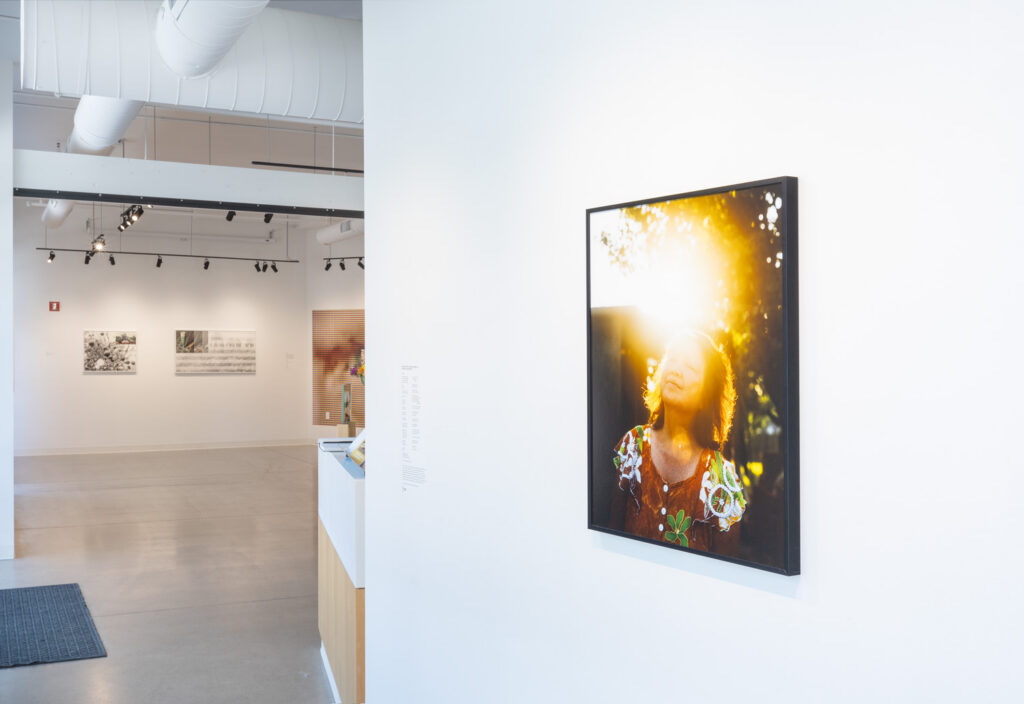
In Tears, Blood, Sweat, on view at Silver Eye Center for Photography through Nov. 7, Filipino-American artist Ryan Frigillana examines American idealism through his family’s history of immigration, his upbringing in Adventism and the visual language of nationalism. His work considers how ideas about citizenship and belonging are formed and absorbed, often before we have the opportunity to question them. “The American Dream is such a mythologized concept. In making my work, I’m attempting to give form to an abstract collective belief of utopia, but in a way that considers cost, contradiction, and consequence,” Frigillana explains.
Co-curated by Silver Eye’s deputy director and director of programs Helen Trompeteler and executive director Leo Hsu, the exhibition brings together three interconnected bodies of work: Balikbayan, PATMOS and Manong. Through constructed photographs, appropriated imagery, and family archives, Frigillana examines the relationship between personal memory and the institutions that influence how histories are represented. For him, these concerns begin with his family’s experience. His mother immigrated to the United States as a government-recruited nurse in the 1980s, part of a larger history of Filipino labor migration shaped by American imperialism and the demand for workers abroad. “My mother sacrificed a lot to give our family a new life in America,” he says. “I think of the bodily cost more and more in light of her recent health.”
His mother’s expectations of her son included a career in healthcare, a path he ultimately did not pursue. Frigillana acknowledges feeling guilty about that decision, particularly as he considers the sacrifices that made his opportunities possible. His experience raises questions about the value assigned to different professions and the pressure to demonstrate gratitude through conventional measures of success.
“I recognize that I live a life of privilege because of people like my mother and my grandparents who sacrificed in the hopes that I can fulfill my own pursuit of the American Dream,” he says. “But I feel that pursuit may be an antiquated notion, or a self-serving notion I don’t have much interest in anymore.”
As an artist and cultural worker, I recognize the difficulty of pursuing work that is personally significant but offers little assurance of financial stability. Creative labor is often treated as separate from the economic demands of ordinary life, even when maintaining an artistic practice requires considerable sacrifice. Frigillana’s admission about not pursuing a healthcare career raises a question familiar to many artists: how do we reconcile the work we feel compelled to make with the expectations of those who have invested in our futures? His suggestion that survival might be enough also complicates the familiar immigrant success narrative, in which each generation is expected to achieve greater prosperity than the last.
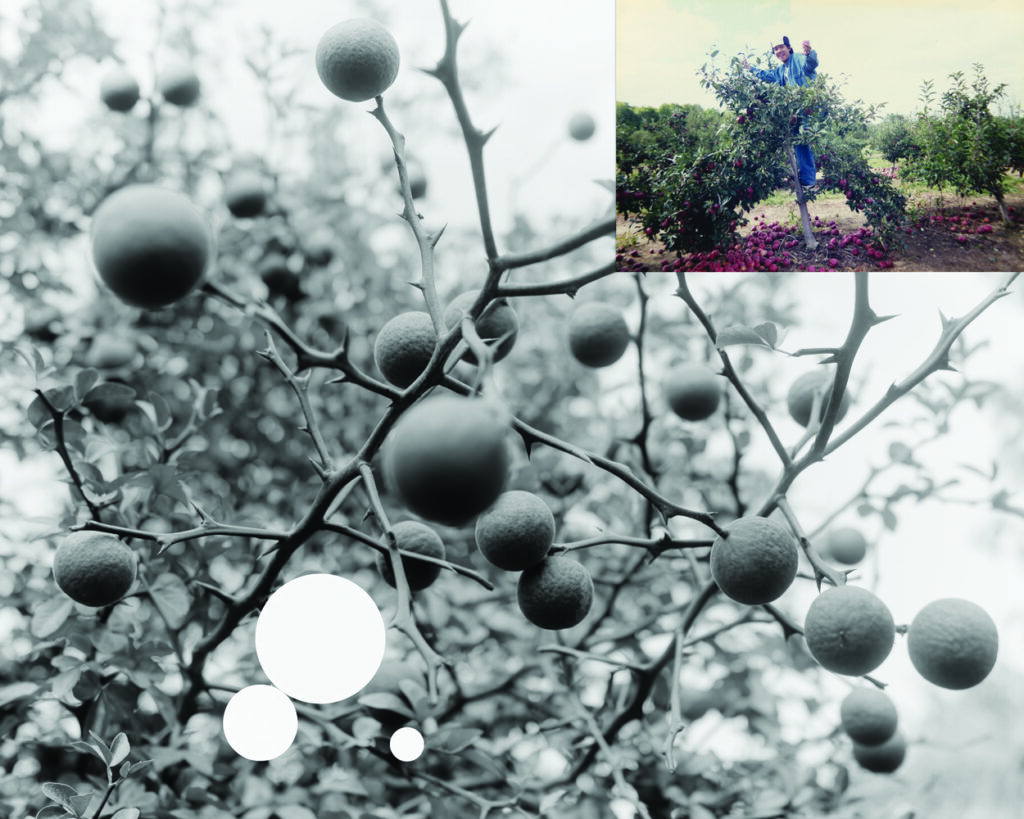
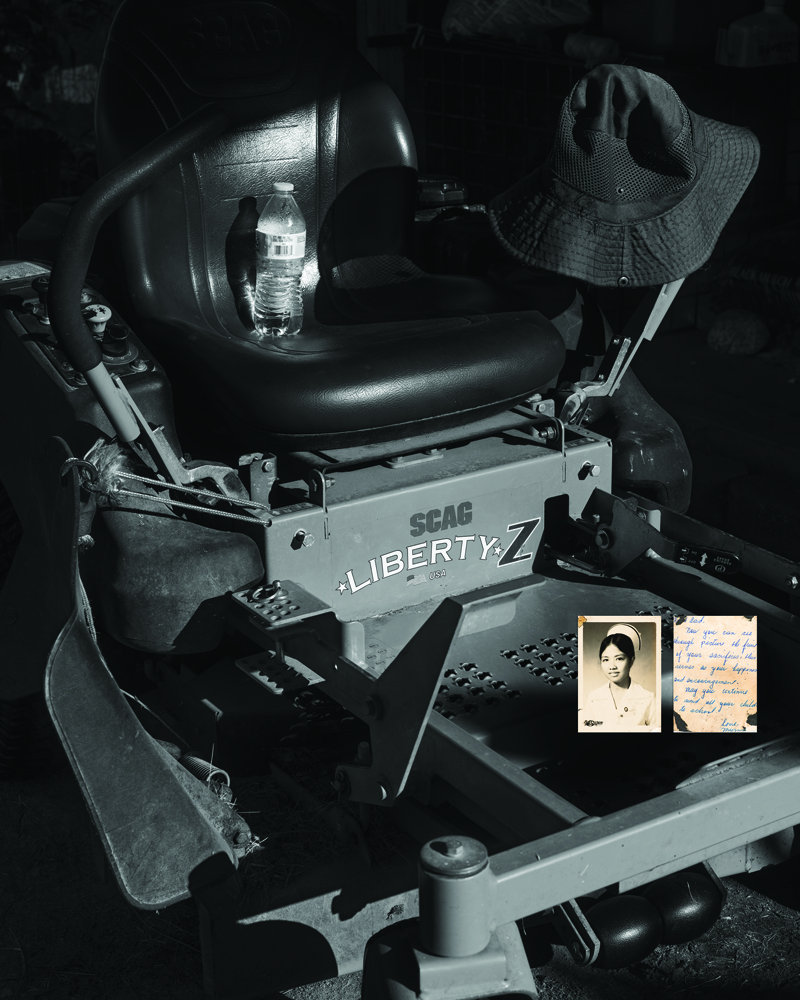
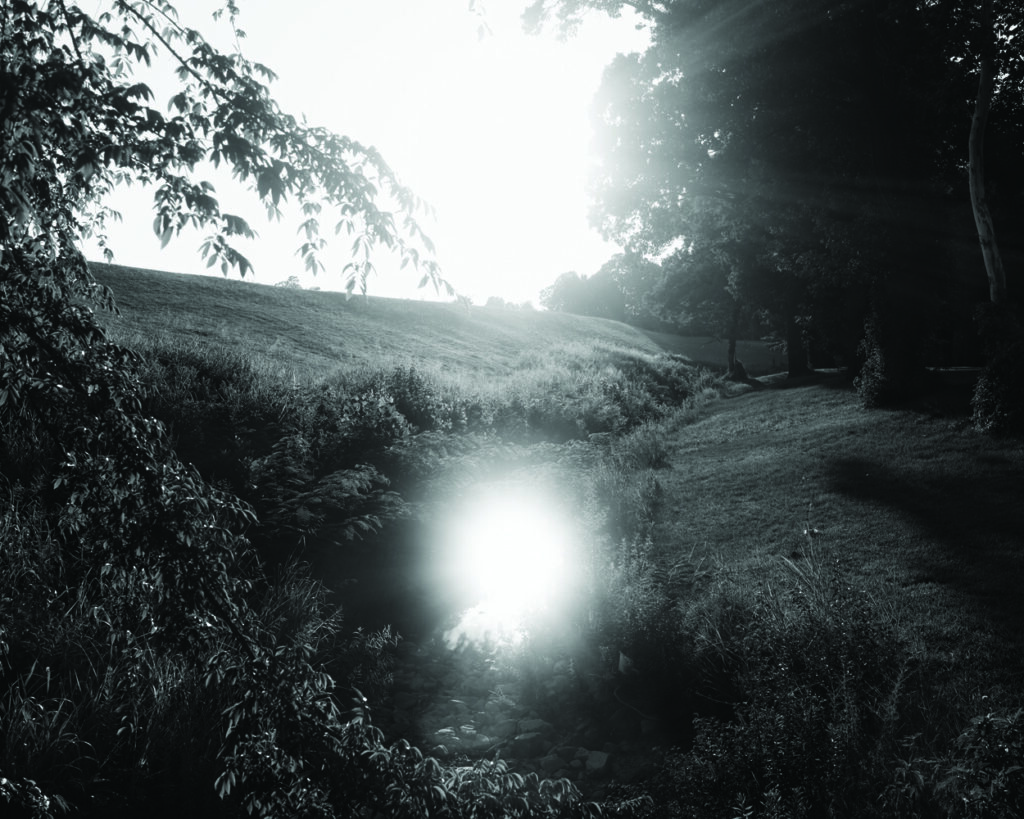
These concerns inform Manong, a series examining historical representations of Filipino labor in the United States. Frigillana began the work out of frustration with public archives, particularly the ways Filipino-American agricultural workers were photographed and categorized through the Farm Security Administration’s documentary imagery in the 1930s. He was struck by how these individuals had been reduced to symbols of labor, their experiences overshadowed by broader economic narratives. Drawing from the black-and-white visual language associated with these archives, Frigillana photographed his father tending to his home garden in Mississippi. His images offer a different account of work and land, one concerned with cultivation, familiarity and care. Gardening becomes an expression of his father’s relationship to a place, rather than a measure of his economic productivity.
“Photographing my father came from a desire to humanize this act of land stewardship,” Frigillana says, “but I was also thinking of the disparities in circumstance between these two time periods for Filipinos.”
He connects these historical representations to his mother’s recruitment into the American healthcare system decades later. Although separated by profession and circumstance, both histories raise questions about the economic and political arrangements through which the United States has benefited from Filipino labor. Frigillana’s concerns also extend to photography’s authority. Documentary images have frequently been regarded as objective records, even when their production reflects unequal relationships between photographer and subject. “I work from a place of subjective truth,” he says. “I don’t care for photography as evidence in a forensic sense, but rather as a record of something internally real.” Rather than accepting archival photographs or political illustrations as fixed documents, Frigillana reproduces and recontextualizes them. Appropriation becomes a means of confronting representations that have contributed to the classification, exploitation or exclusion of marginalized people.
“To reproduce something photographically changes it,” he says. “It’s a theft, but a theft of something that was taken from me in the first place.” He recognizes an aggressive impulse in this process, comparing his response to certain images to the force one might bring to a physical confrontation.
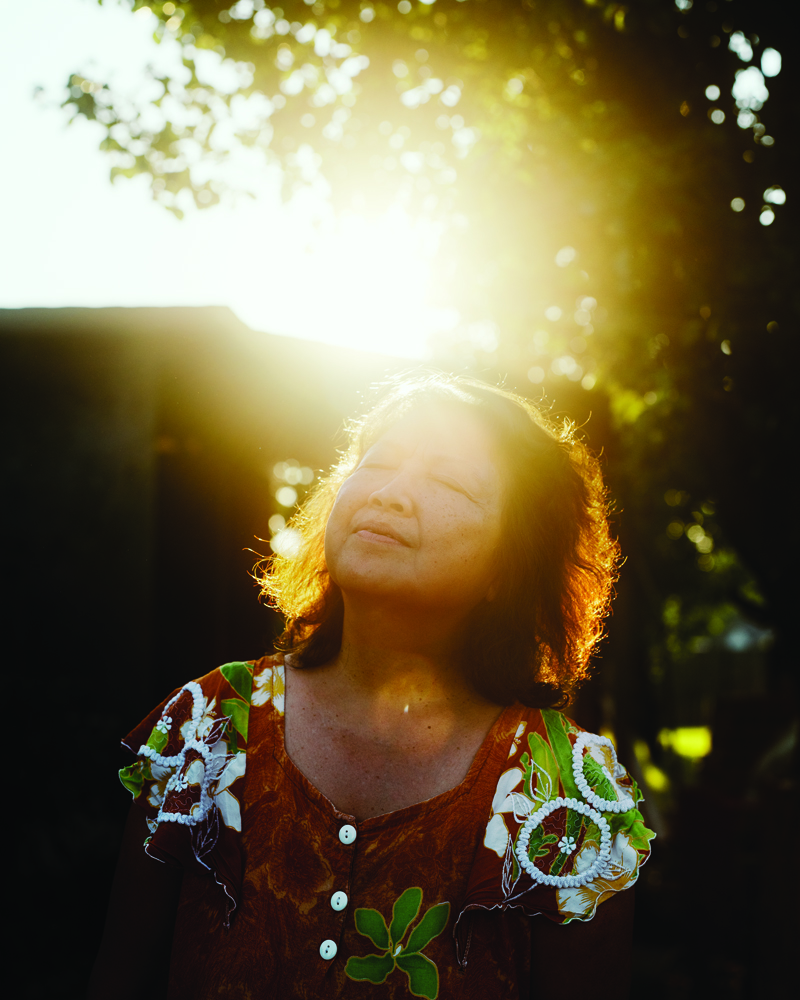
That approach contrasts with the tenderness of Frigillana’s family photographs, demonstrating how his visual strategies shift according to the histories he examines. “I think this mindset allows me to bare my teeth a little and stay aggressive in my questioning, which I feel balances out the more tender aspects of my visual language reserved for family and loved ones,” he says.
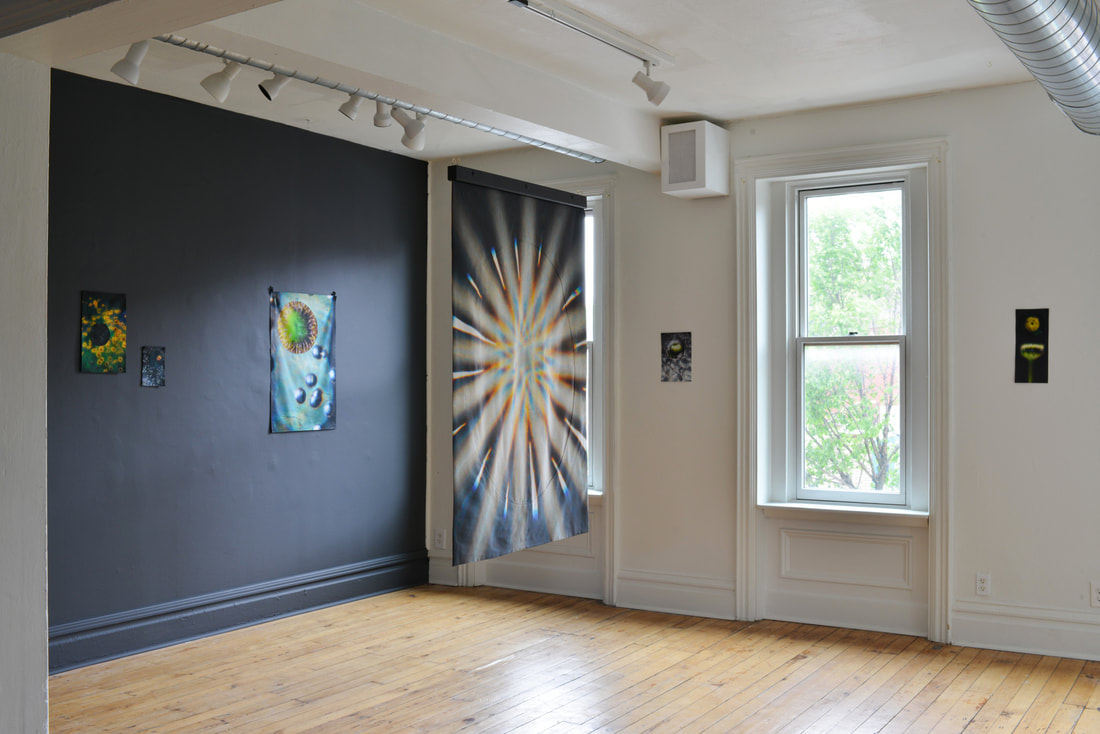
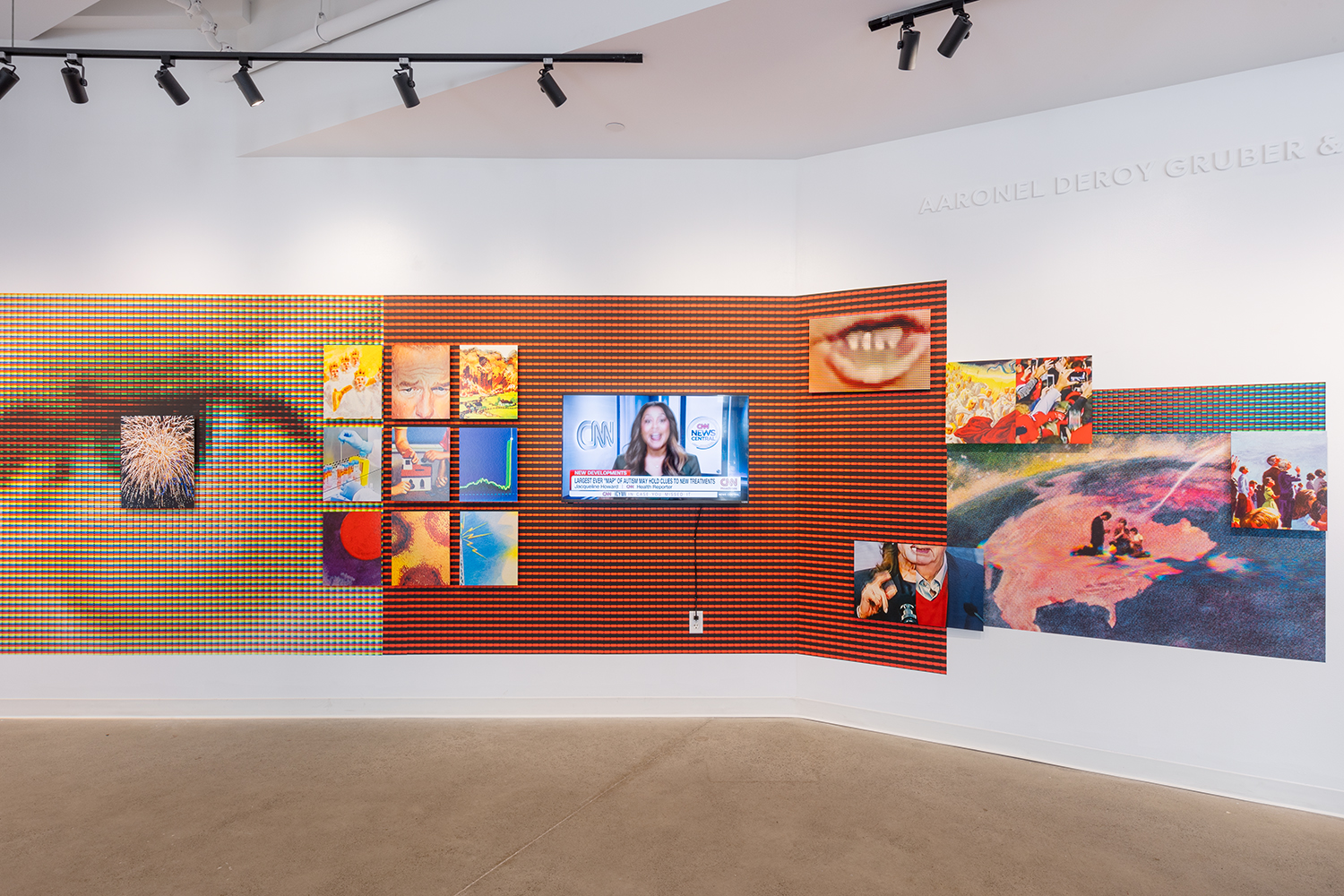
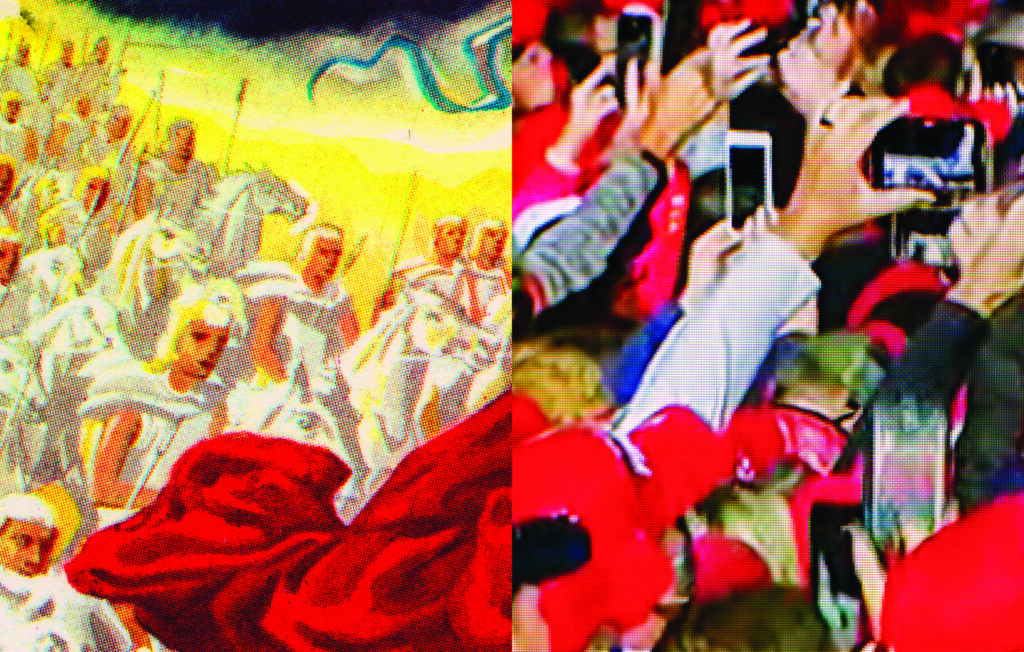
Religion provides another framework for his investigation. Raised within Adventism, Frigillana encountered biblical illustrations depicting salvation, divine judgment and visions of an idealized future at an early age. These images helped shape his initial understanding of morality and belief, presenting hope and fear as closely related forces. In PATMOS, he draws upon that visual education while incorporating political media. Developed from screen captures of the 2020 and 2024 presidential elections, the images are disrupted through pixels and halftone patterns. As viewers approach the works, the components of their reproduction become increasingly visible, complicating the images’ apparent coherence. “I see many parallels between religious idealization and the construction of national identity in the ways hope and fear are weaponized,” he says.
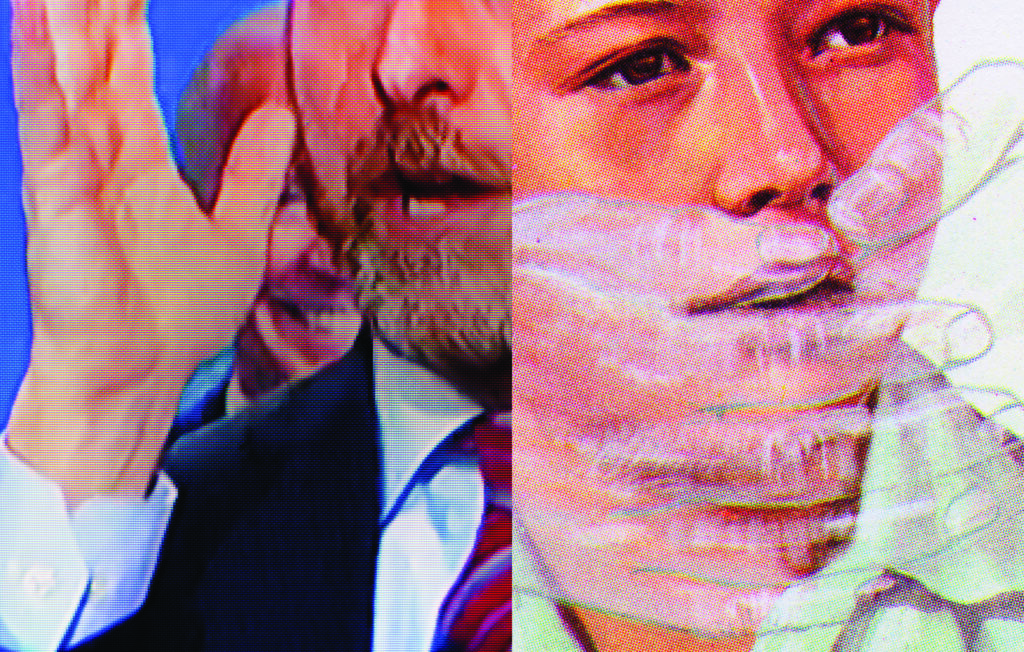
Frigillana identifies Christian nationalism as a troubling manifestation of this relationship, pointing to its influence on public policy, state violence against marginalized communities, restrictions on women’s bodily autonomy and Christian Zionism abroad. His criticism concerns the political uses of religious authority rather than faith itself. He acknowledges that churches can provide healing and safety while remaining attentive to the ways inherited beliefs can be used to cultivate obedience and hostility.
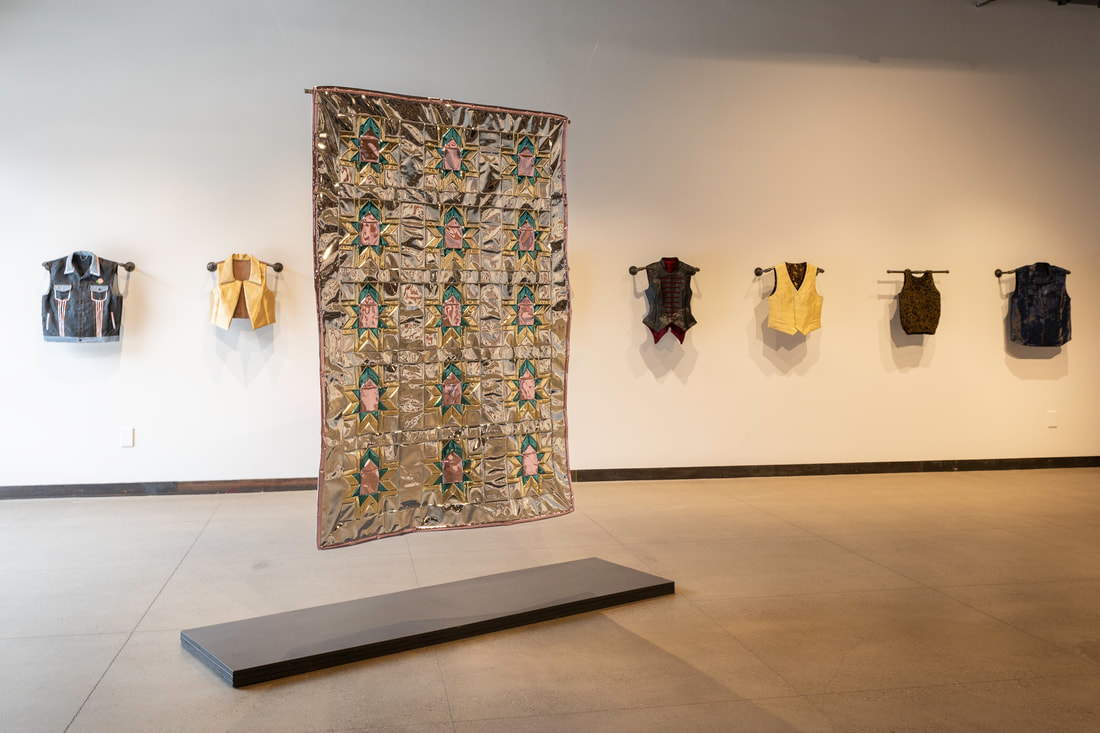
Where PATMOS engages with political imagery, Balikbayan turns toward the materials through which family history is preserved. Working with staged still lifes, collage and archival photographs, Frigillana examines the idealized representations of American life that informed his childhood. In The House They Built (2022), an archival photograph of his grandparents helps form the foundation of a house-like structure made from playing cards. The arrangement introduces a sense of instability into an image concerned with familial aspiration and the idea of home. Elsewhere, Frigillana incorporates imagery associated with Norman Rockwell, whose illustrations helped establish familiar notions of American domestic life. By introducing his family’s photographs into this visual tradition, he questions who has historically been represented within the nation’s idealized self-image. In Memories of a Body (2023), the indentations left by his mother’s body on a couch suggest her presence without depicting her directly, giving particular significance to the relationship between memory, absence, and the body.
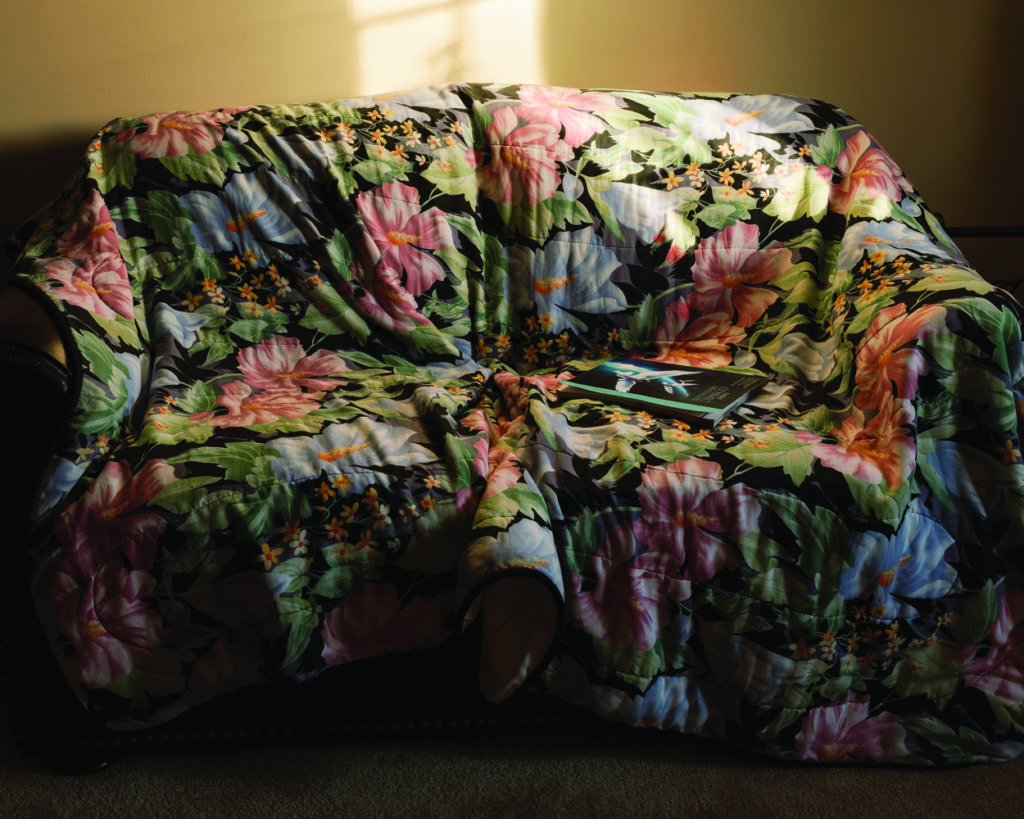
These photographs do not idealize family life. Frigillana recognizes the difficulty of examining inherited expectations while remaining grateful to those who passed them down. “I think that tension and potential conflict between honoring and questioning is what interests me,” he says. ”The contradictions and dualities are part of my family’s experiences, and I want to lean into that messiness and complexity.”
The exhibition also arrives amid political battles surrounding immigration, citizenship and American identity. Yet Frigillana resists the expectation that artists from immigrant communities must organize their practices around prescribed political concerns. His work remains rooted in personal experience rather than an obligation to speak on behalf of others. “I don’t really pay attention to the outside expectations of what immigrant artists ‘should’ be making, as long as my lived experiences continue to guide the questions I’m asking,” he says. He describes the inquiry underlying his practice in direct terms: “This is how I feel in our moment. Do you feel it, too? And if not, why?”
My response to that question is shaped by a different family history, but one that has also required me to consider what is passed between generations. My grandfather’s journey during the Great Migration and my Irish ancestors’ immigration belong to different histories of American labor, yet both inform my understanding of the expectations placed upon those who come after. Their decisions created possibilities for their descendants, including me, though I cannot assume that the lives we have lived are the ones they imagined. I have also come to understand how illness, financial hardship and the demands of caring for others can alter our ideas about success. There are circumstances in which maintaining stability, continuing to work and meeting the needs of those who depend on us require everything we have. Frigillana’s reflections on his mother’s sacrifices and his own struggle to survive speak to the difficult relationship between what our families endured and what we believe we owe them.
“All my life, I’ve been trained on a certain ‘truth’ of what family, faith, and American identity mean,” Frigillana says. “But in making these bodies of work over the years—and when I can place them in conversation together through an exhibition—I am able to replace bits of that mythology with biography; with something that aligns closer to my subjectivity and lived experience.”
I think about how little I may ever know about what my ancestors wanted for themselves, beyond the opportunities they hoped to secure for their families. The history of migration is often told through what subsequent generations gained, with less attention to the people who did the leaving, the working and the enduring. Their sacrifices are easy to acknowledge in retrospect, but harder to account for in full. Frigillana’s photographs resist reducing his family to evidence of the American Dream’s successes or failures. Their lives extend beyond the expectations placed upon them, as does his own. His work has led me to consider whether honoring those who preceded us must mean fulfilling their ambitions, or whether it can also mean understanding the circumstances that shaped them and allowing ourselves to imagine something different.
“What have I learned from my questioning?” Frigillana says. “I’ve learned that every inheritance comes with a debt of sin we must reckon with.”
Photography courtesy Ryan Frigillana
Tara Fay Coleman is an artist, curator, and cultural worker from Buffalo, NY. Rooted in lived experience, her work challenges institutions while creating space for marginalized stories. She lives and works between Pittsburgh, PA, and New Haven, CT.